






.jpg&w=640&q=75)


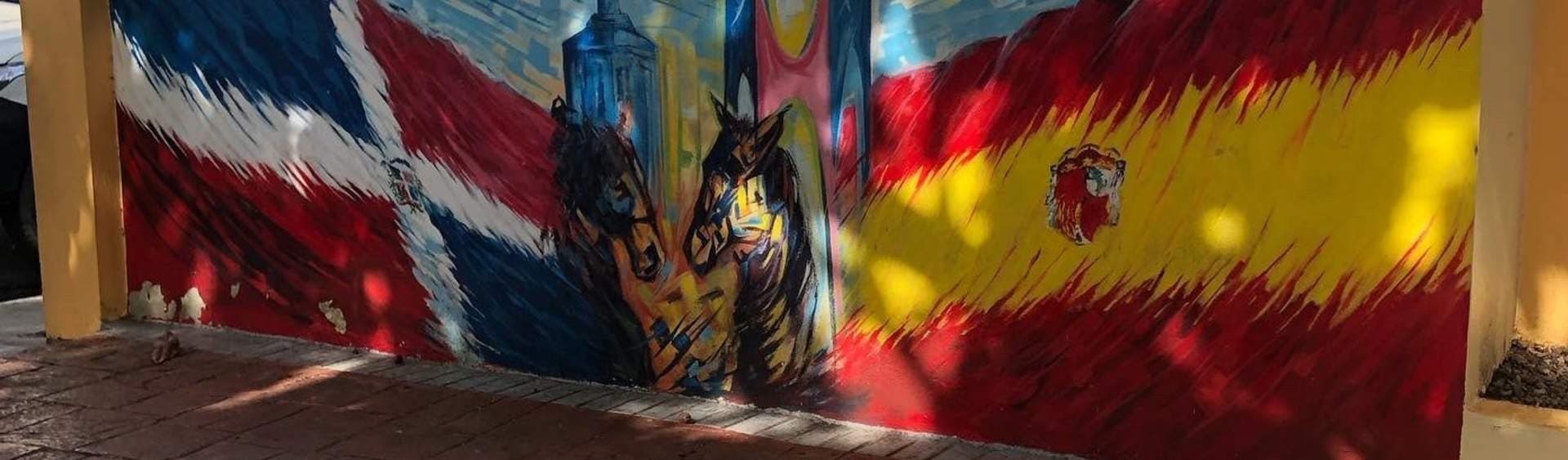
Aug 8 2022
HEAD TO THE ARTISTIC CITY OF SALCEDO
Located more than two hours from Santo Domingo, the municipality of Salcedo, capital of the Hermanas Mirabal province, will dazzle you with its creativity. This beautiful place is adorned with enormous trees, traditional wooden buildings, and countless colorful murals that spark the imagination.
The city is named after the hero Francisco Antonio Salcedo. Salcedo is also famous for being the birthplace of the Mirabal Sisters, so this is a land of brave people who love their homeland. The province of Salcedo was created in 1952 and was renamed Hermanas Mirabal in 2007 in honor of the heroines.
PLAZA DE LA CULTURA
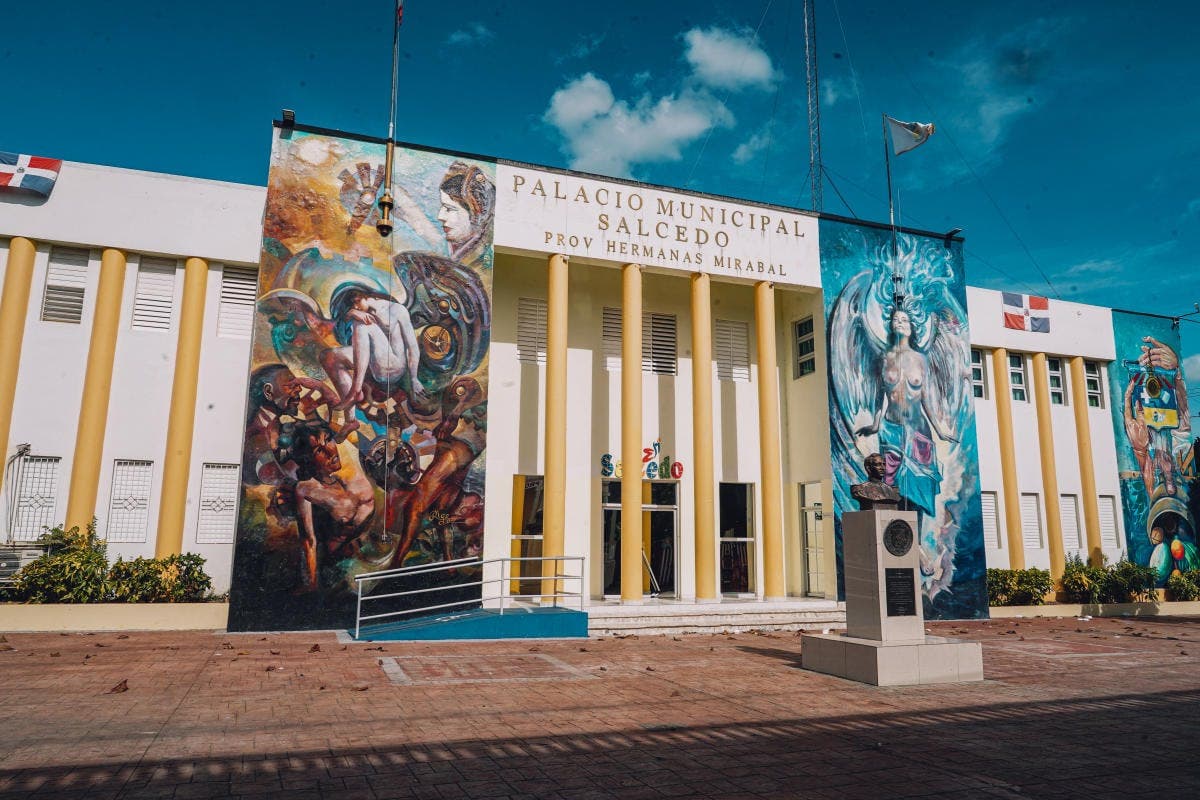
Around the Plaza de la Cultura, the imagination of local artists soars freely, offering a glimpse into Dominican history and culture, as well as the future we aspire to.
The Francisco Antonio Salcedo Cultural Plaza is named after the military leader of the Battle of Beller, which took place on October 27, 1845, in the city of Dajabón, led by this leader. It is located in the center of Salcedo and enhances the beauty of the city. It is a recreational space for the community, a place where they can engage in outdoor activities and express themselves freely.
PARQUE DUARTE
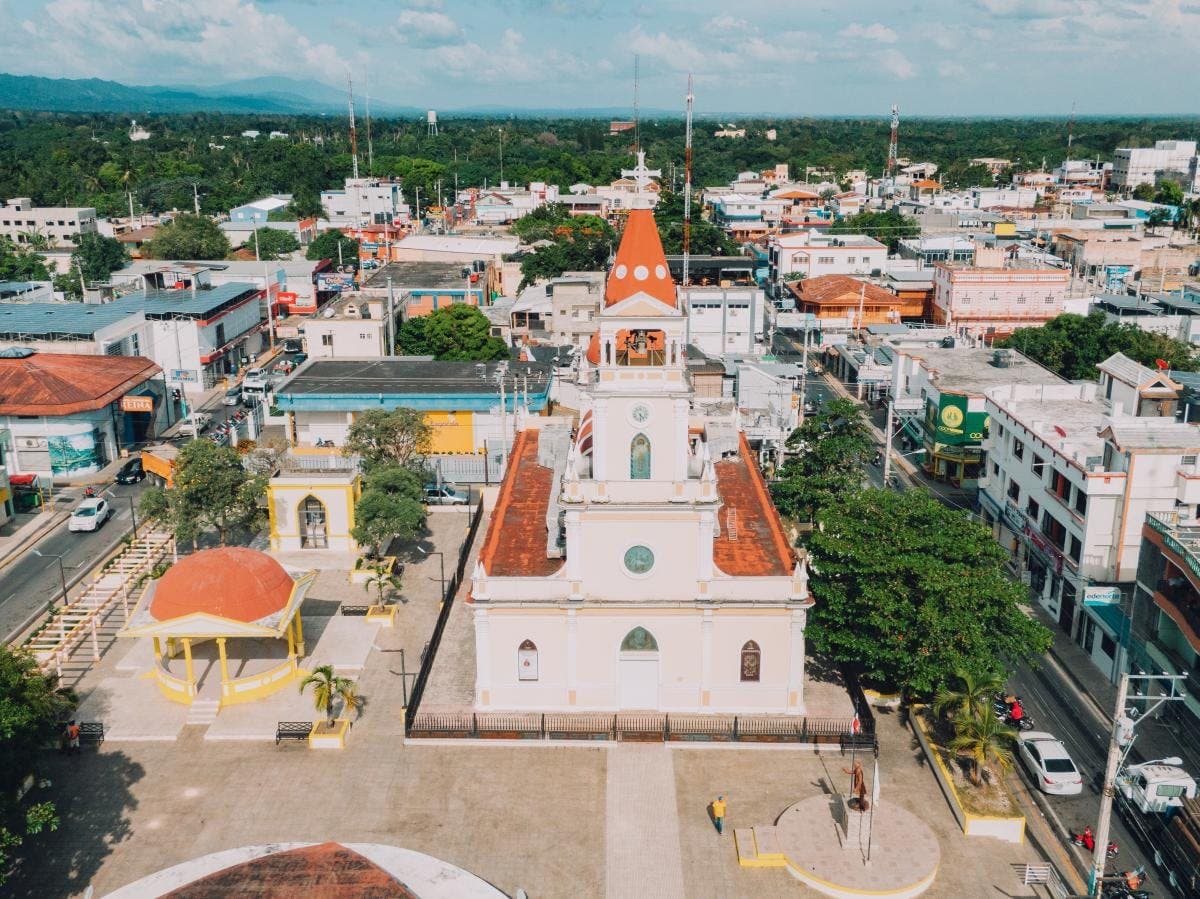
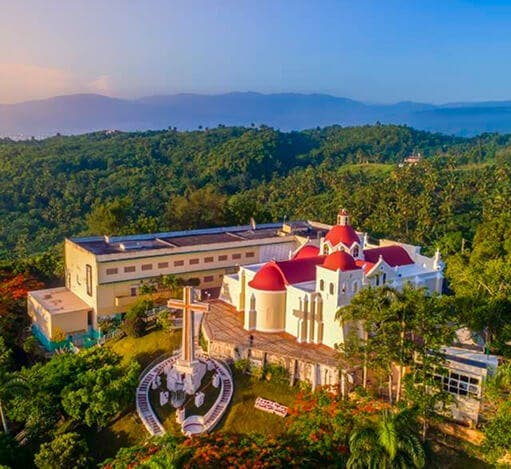
Duarte Park is located in the center of the city of Salcedo and is a place where locals gather to relax and share stories. The San Juan Evangelista Parish stands out in the park with its cross high above, kissing the sky.
The construction of the parish began in the 18th century and was completed in the 19th century. It is a historical and emblematic monument adorned with beautiful stained glass windows depicting various figures and Christian scenes.
The figures that stand out the most are the apostle Saint John the Evangelist, patron of Salcedo, and the Virgin of Las Mercedes, Patroness of the Dominican people. Take your time to enjoy a visual tour moving from the 14 Stations of the Cross to the symbols and faces of the apostles, among other important works of art, including some stunning paintings.
MURAL ROUTE
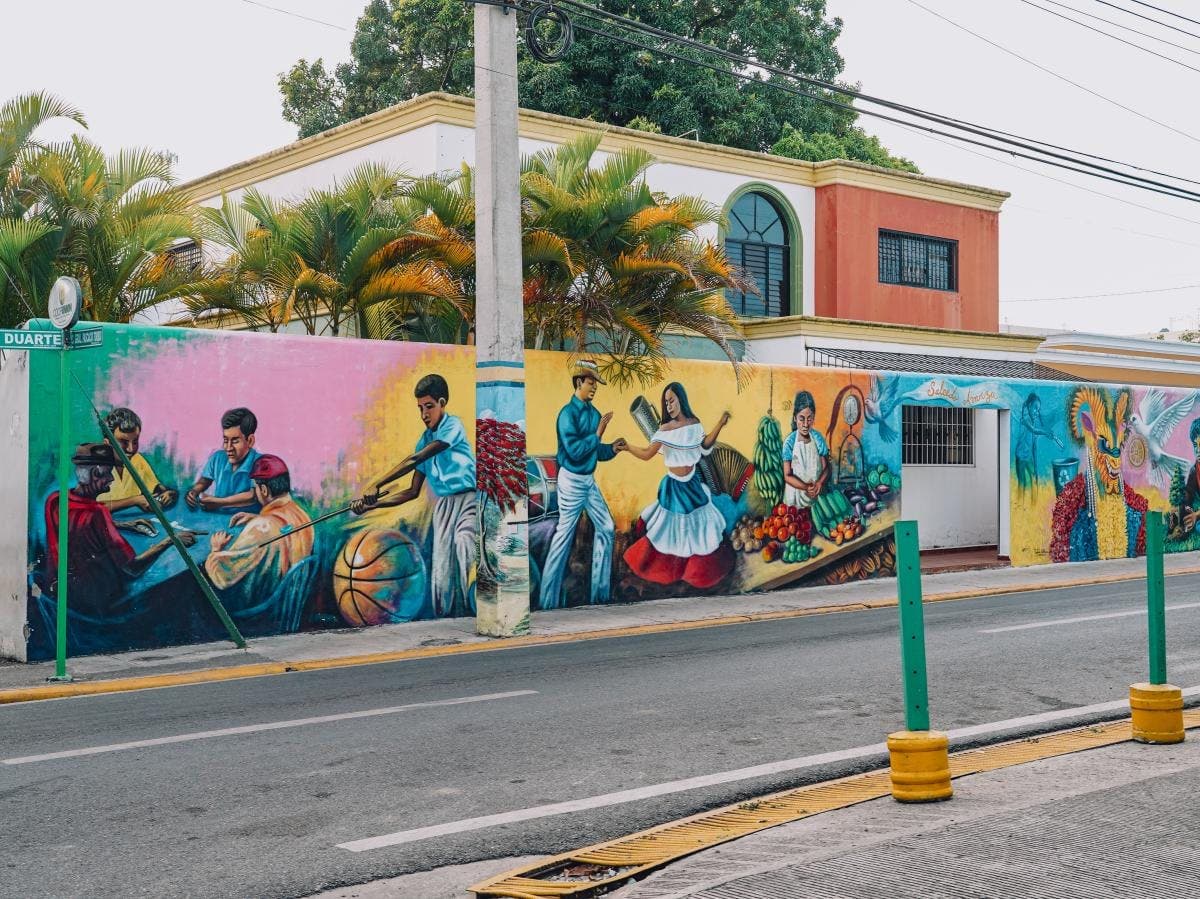
The Mural Route emerged in 2006 as one of the activities of the Hermanas Mirabal Cultural Festival, aimed at the preservation, promotion, and encouragement of artistic expressions and cultural values of the province. It involves local artists and those from other Dominican cities who paint as a contribution to the province.
Under the slogan "Culture of Peace and Development," this great route of over 400 artistic murals extends through the three main municipalities of the Hermanas Mirabal province: Villa Tapia, Tenares, and Salcedo, and has inspired other provinces. The themes hold great historical value. Folklore and the culture of peace are depicted on the walls of hospitals, schools, and public and private institutions.
AMPHITHEATER OF THE BUTTERFLIES
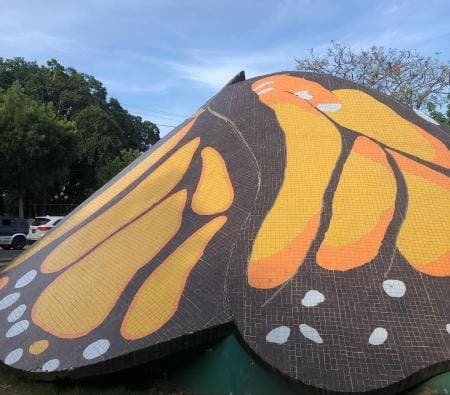
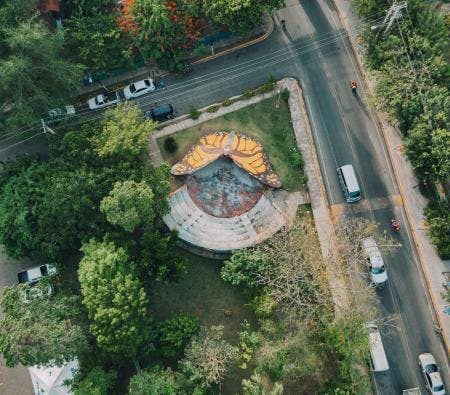
At the exit of the municipality of Salcedo, you will find the amphitheater of the butterflies, another emblematic place to honor the heroic Mirabal sisters, especially beloved in the province that proudly bears their name.
The amphitheater consists of a beautiful giant butterfly made from small pieces of ceramics. It is located right next to the Canquiñas playground, where the little ones spend afternoons full of fun.
Culture lovers can also visit the Dr. Manuel Tejada Florentino School Museum, Maguá Museum, the Mirabal Sisters House Museum, the Monument to the Mirabal Sisters, and the Mirabal Sisters Memorial Garden.
FOR NATURE LOVERS
The La Salcedoa Scientific Reserve is named after the Salcedoa Mirabaliarum, a plant species new to science, named in honor of the Mirabal Sisters. The reserve covers an area of 42 km² in the northern mountain range between the provinces of Hermanas Mirabal and Espaillat.
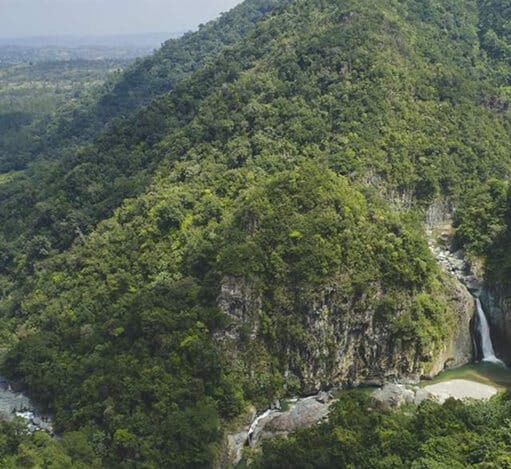
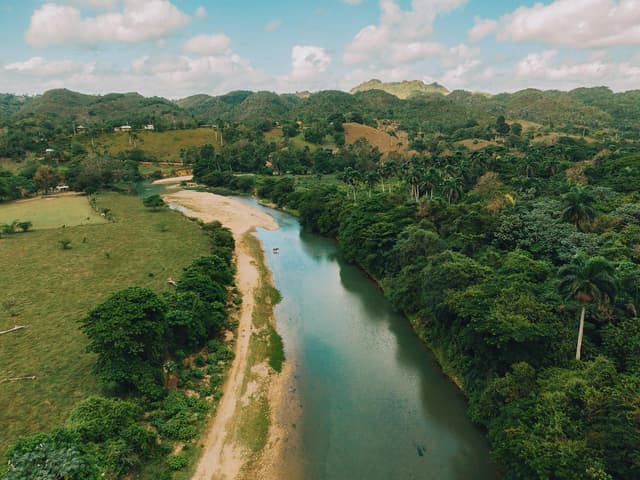
It is the highest karst area of mogotes in the country, with an altitude ranging between 500 and 800 meters. It is also one of the lowest elevation cloud forest areas due to the trade winds blowing in from the Atlantic Ocean. Dozens of rivers originate here: Jamao and its tributaries Partido and Cañada Clara, Río Boba, Veragua, and Cenoví, among others. In several of these rivers, it is possible to engage in water activities such as kayaking.
In the reserve, around 700 species of vascular plants have been identified, of which 29 are species of orchids and 12 are bromeliads. Among the 55 threatened or protected species, some are exclusively distributed in this area. The fauna features distinctive species such as the solenodon or almiquí of Hispaniola, a small mammal native to the island and currently endangered. The cigua, the barrancolí, and other birds find their refuge here.
Bring the best of yourself, and you will take the best of your country with you!
Distance Table to Salcedo
Moca
16.5
San Francisco de Macorís
23.8
La Vega
25.2
Santiago
45.6
Puerto Plata
88.5
Nagua
91.1
Santo Domingo
137
For your next adventure, don't forget:
--Backpack/cash --Thermal cups/containers/cutlery to avoid single-use plastic --Plastic bags to carry your trash --First aid kit --Open mind and good vibes.
Bring the best of yourself, and you will take the best of your country with you!
#GiveItToTheCorner
Source:
Discover the latest news

The island that always shines awaits you with open arms
The island that always shines awaits you with open arms
@godomrep