










.jpg&w=640&q=75)





Aug 11 2022
LET'S GO TO MOCA
Located two hours from Santo Domingo, the charming city of Moca awaits to show you all its corners filled with history and fun. The people of Moca will welcome you with open arms, proudly showcasing their city. They will share their version of history, reminiscing about what they learned from their ancestors, always with a humorous touch.
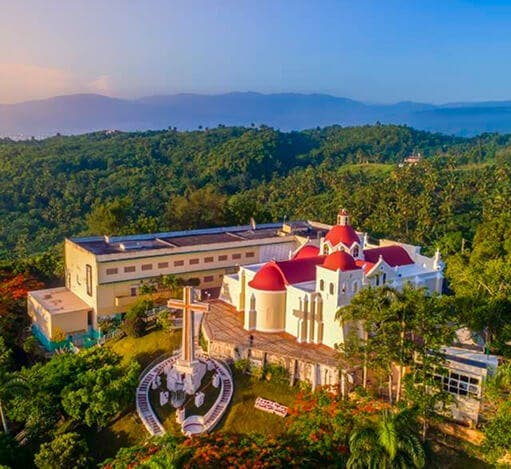
PARISH (NATIONAL SHRINE) SACRED HEART OF JESUS
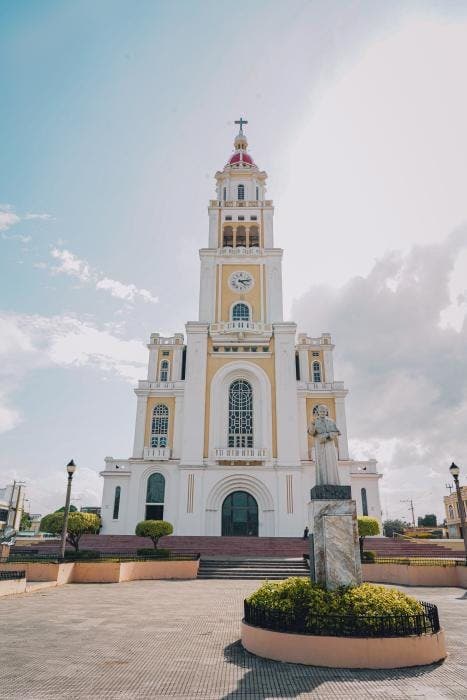
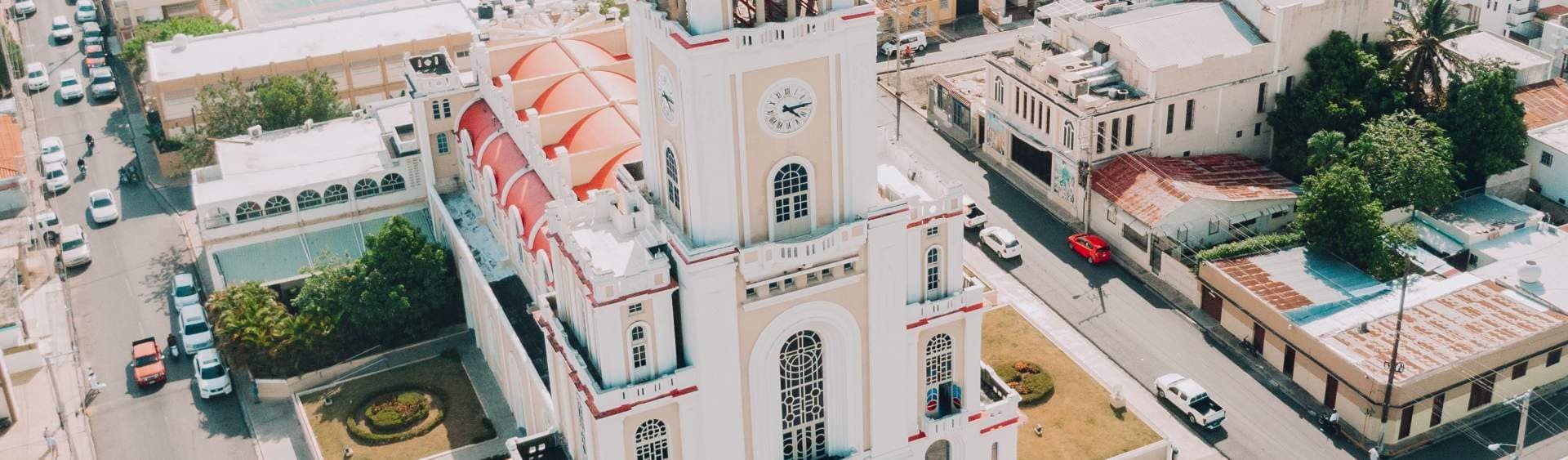
The Parish of the Sacred Heart of Jesus is a work of art in itself. It is not just an architectural marvel; it is a feast for the eyes and the soul. Stroll through the carefully planted gardens that surround this majestic structure and gaze at the sky to admire its magnificence. This sacred place will dazzle you.
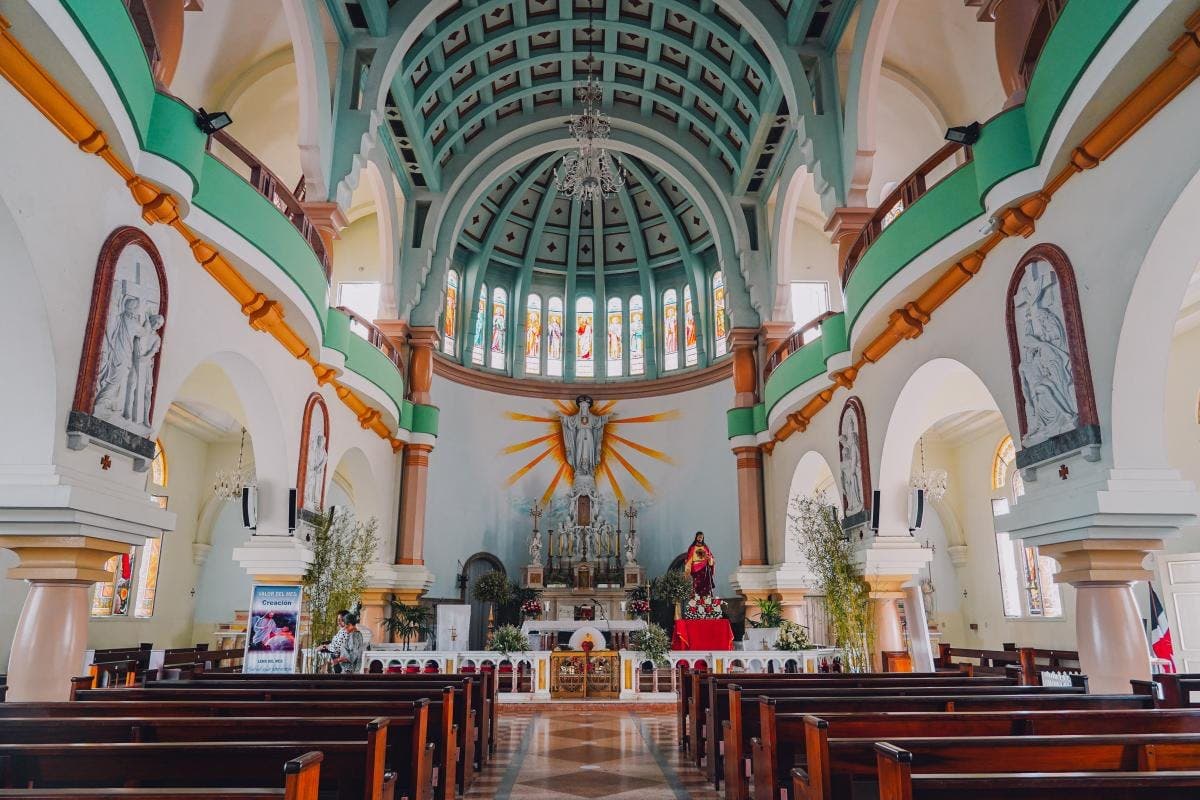
Upon entering, you will immediately feel joyful. Let this imposing sacred place provide you with inner peace, and express your gratitude for the special moments in life. Every part of this sanctuary has respectfully become an exquisite work and a sign of gratitude. Try to decipher the mystical stories told by the stunning stained glass windows located throughout the building.
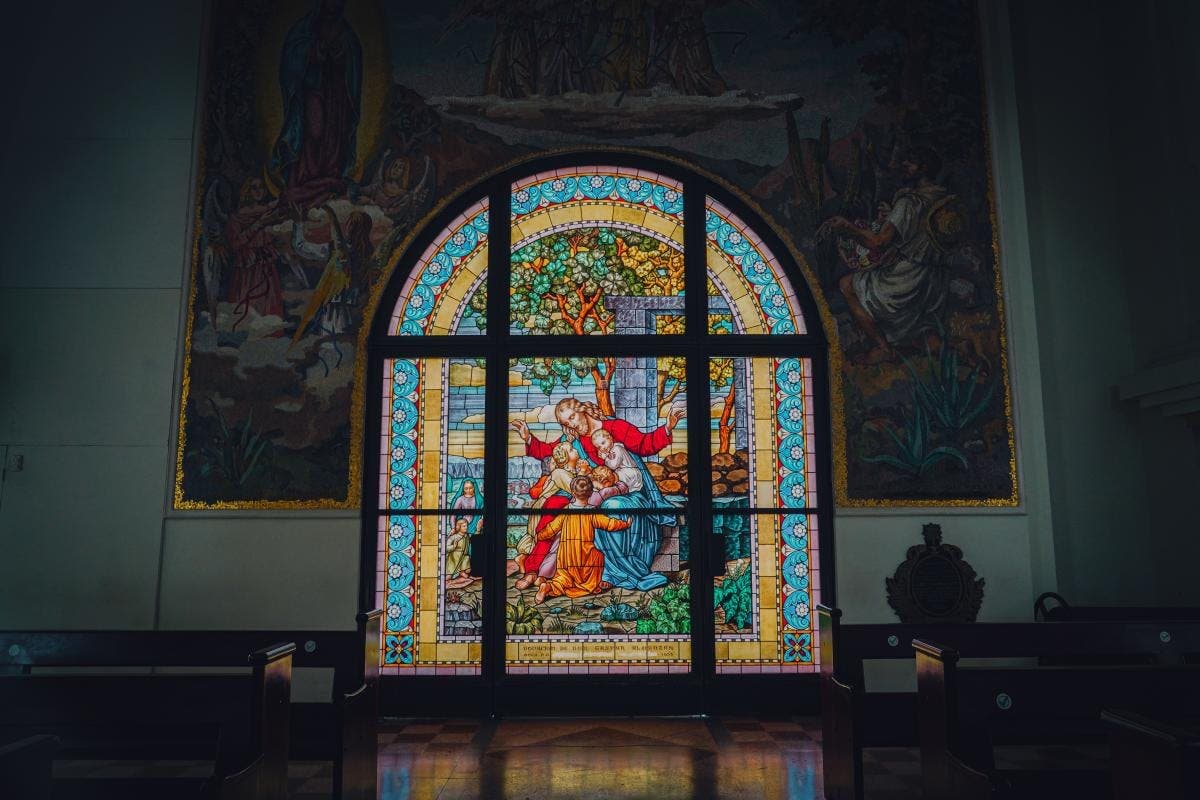
It is the main Catholic temple of the Salesian congregation in the municipality of Moca. Its construction began in 1946, designed by architect Humberto Ruiz Castillo. In 2006, it was declared a Monumental Heritage Site of the Dominican Republic.
It features a white marble image of the Sacred Heart of Jesus and a mosaic of Our Lady of Guadalupe. One of its stained glass windows recreates the scene of Christ the Redeemer. There is an altar dedicated to Mary Help of Christians and another to Saint John Bosco. The Virgin of Altagracia and Saint Joseph guard the sides of the temple. It contains many elements and figures that make up the Catholic religion and is considered one of the most beautiful in the country.
PRESIDENT RAMÓN CÁCERES MUSEUM
Located in the community of Estancia Nueva, in Moca, the Ramón Cáceres President Museum will teach you about the history of the Dominican Republic. It will connect you with knowledge and nature in the beautiful gardens that surround the buildings. A tour through 8 areas allows you to learn about this historical figure.
Ramón Arturo Cáceres Vásquez, alias Mon Cáceres, born on December 15, 1866, was a Dominican politician, president, and Minister of War and Navy of the Dominican Republic. He was part of the group that executed the dictator Ulises Heureaux (Lilís) on July 26, 1899, in the city of Moca.
He was the constitutional president from 1906 to 1911. Several plots to assassinate him were uncovered. On November 19, 1911, he was assassinated by a group of opponents linked to horacismo led by General Luis Tejera in the vicinity of the coastal area of Güibia in the Dominican capital.
PLAZA DEL VIADUCTO
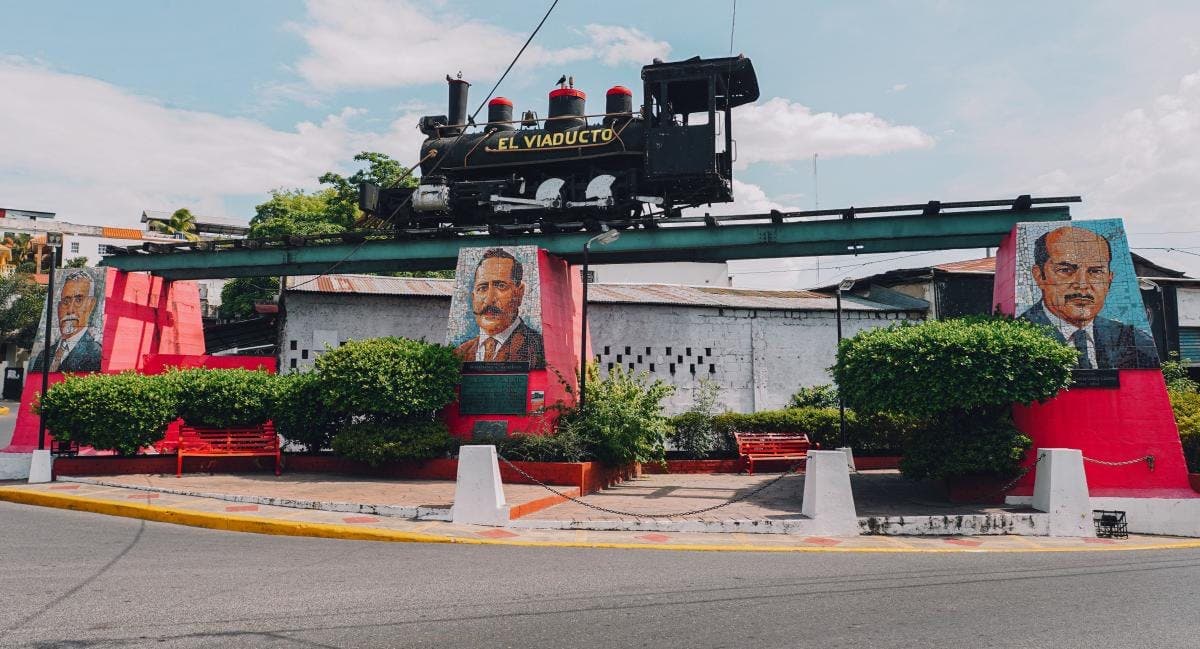
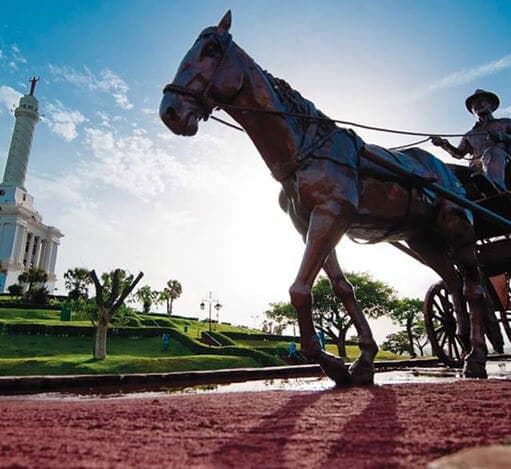
Don't miss the opportunity to visit this public exhibition of the remains of the Moca Railway located between Presidente Vázquez Street and Antonio de la Maza, near Plaza 2 de Mayo. It includes a replica of the iconic railway and small ceramic pieces by Ramón Cáceres, Horacio Vázquez, and Antonio de la Maza.
It pays tribute to the commercial railway that traveled the route in different stages starting in 1897, which included Sánchez, San Francisco de Macorís, La Vega, Salcedo, Moca, Santiago, and Puerto Plata, among others. The mission was to transport the products that were distributed in this area of Cibao. At that time, it was the only fast means of transport that provided a high load performance and distribution of what it carried.
This stopped functioning in 1953. The railway was dismantled by order of the dictator Rafael Leónidas Trujillo. The remains are still preserved in Moca. The railroad is an element of great historical and cultural value.
PLAZA AND MUSEUM 26 DE JULY
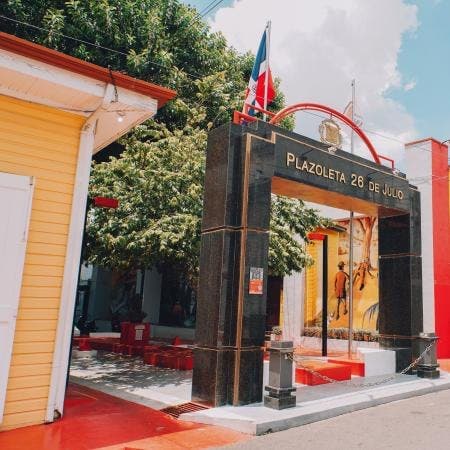
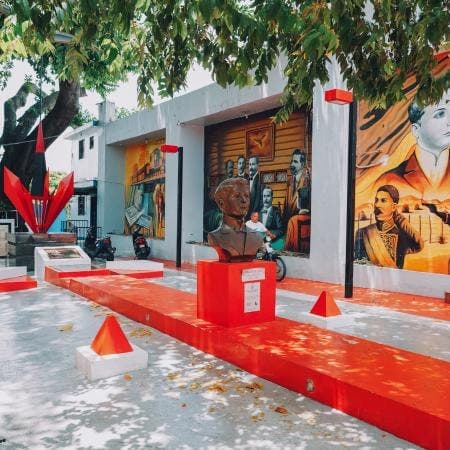
A replica of the Victorian house that was the family business of the Laras houses the Museum 26 de Julio, a historical and cultural site that commemorates the individuals who carried out the assassination of the tyrant Ulises Heureaux, who was executed in front of that establishment.
The museum, named in honor of the event of July 26, 1899, has four rooms that keep alive the memories of this event, as well as the bravery of the young Jacobo de Lara hijo, a key figure in the plot to execute the tyrant, and the lifestyle of that era.
It was founded in 2015, in the building donated by the Lara family so that present and future generations can learn about the history of that great event. Due to the deterioration of the house, it was replicated in the same forms and spaces as the original, where at that time the warehouse operated where Jacobito de Lara had a business for importing and exporting goods.
The exterior of the museum is filled with colorful murals depicting the assassination. Images and busts of Jacobo Lara Jr., Horacio Vásquez, and Ramón Cáceres, who led the conspiracy against Hereaux, are displayed. It is located next to the three-dimensional street.
THREE-DIMENSIONAL STREET
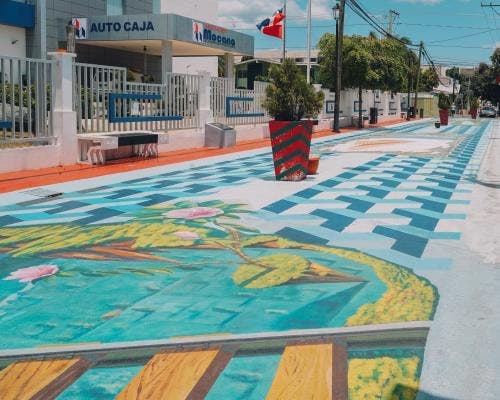
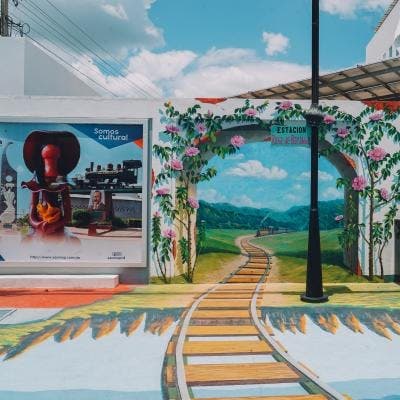
Head out to the three-dimensional street with your friends and challenge them to take the most creative photo, whether it's at the waterfall, important city buildings, a paper airplane, or cliffs. There are thousands of different combinations to create fun stories with everyone's photos. You will have enjoyable moments with your group.
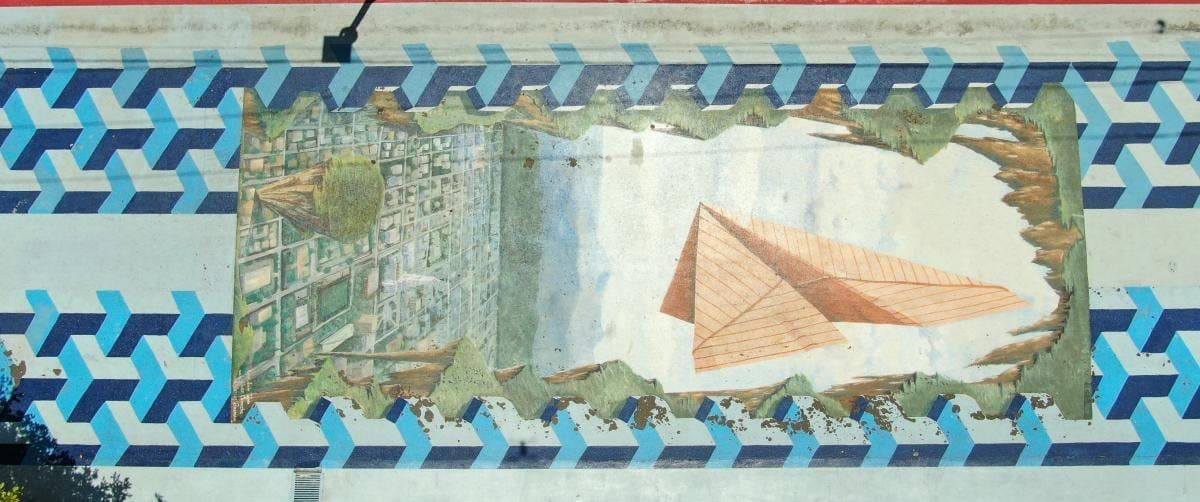
26 de Julio Street is the first three-dimensional road in the country and has become one of the main attractions in Moca. The road begins at the section of Independencia and ends in front of the 26 de Julio Plaza and the museum of the same name, which allows for a collection of cultural spaces to be offered.
The professor and visual artist Julio Tejada captured images that refer to the geographical demarcation of the city, but also where two spheres stand out: one featuring the famous faceless mocana dolls and the other showcasing all the municipalities, museums, and squares of Moca. The architect of the work was Juan Alberto Tejada (Iki). It highlights the art, culture, gastronomy, education, technology, communications, fine arts, and the history of the province.
DOLL WITHOUT A FACE
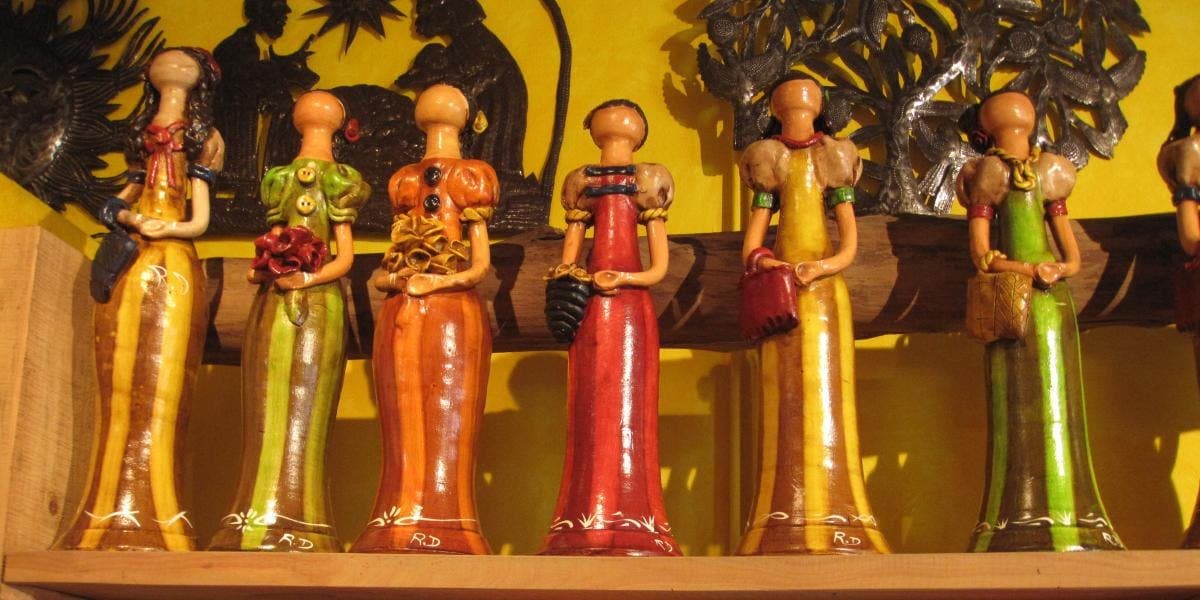
The faceless clay doll is an emblematic symbol of Moca and is one of the symbols of traditional craftsmanship. In the faceless dolls, the identity of the Dominican people is reflected, and they have been made for many years. This symbol can be found throughout Moca in various forms, from statues and miniature gifts to restaurant decorations.
Faceless dolls are part of our national identity and a source of pride for artisans in Moca. Their lack of features represents the mestizaje that characterizes us, that blend of Taíno, African, and European cultures that, like molded clay, constitutes our Dominican identity.
The vibrant colors of the dolls, such as yellow, green, red, or blue, represent our island origin; symbols like flowers represent the sense of hospitality; the macuto represents the presence of indigenous heritage in Dominican blood; the Bible symbolizes religiosity, and the apron represents the service and dedication of Dominican women.
For its creation, the clay is processed only with water, then the doll is made, it is left to rest at room temperature, cleaned, polished with a sponge, then it is taken to the oven, painted, and it is ready.
The dolls come in various designs. The artisans are making an effort to ensure that the tradition of crafting the faceless doll continues for generations and that new generations keep innovating.
ROUTE OF THE ARTISANS
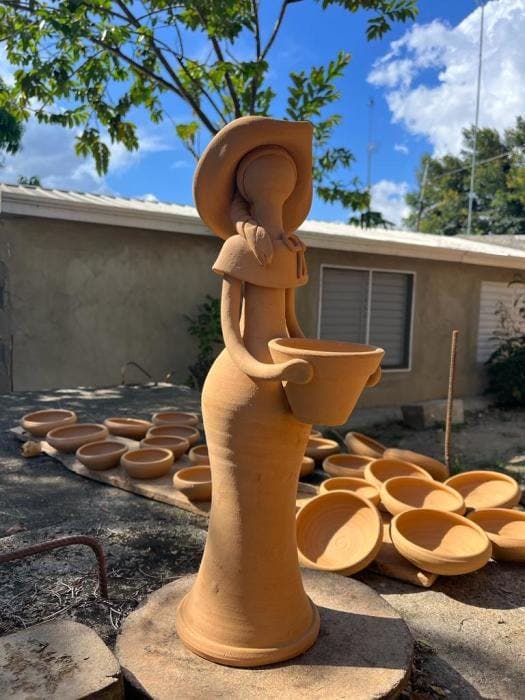
The Artisan Route of Higüerito gives us the opportunity to visit different workshops, getting firsthand knowledge of how various products are made and purchasing crafts at very attractive prices. It is a must-stop for shopping and to have an unforgettable souvenir from your visit to Moca.
Faceless Dolls
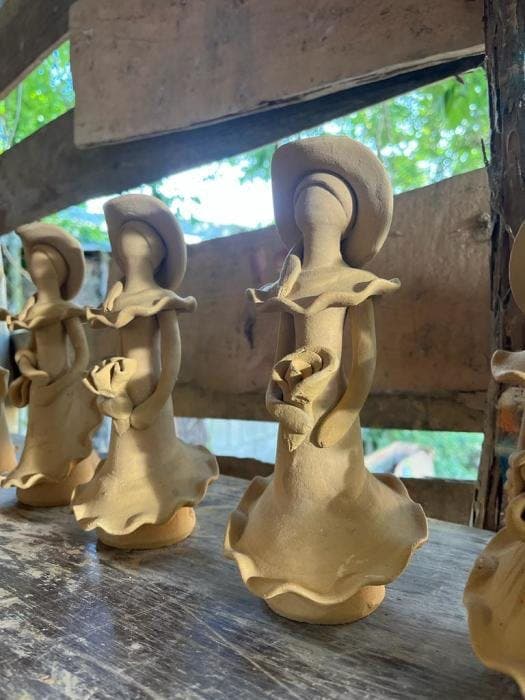
The blend of the different races that make up Dominican identity is expressed in these dolls made of clay, representing one of the most valuable artistic manifestations in the country. The artisans also create nativity scenes, mortars, plates, paintings, and ashtrays made of clay.
The creation of the dolls originated as a project of the Association for the Development of the Espaillat Province (ADEPE), with technical collaboration from the Spanish Cooperation and a group of artisan women, who previously made dolls from bottles covered in clay, while crafting all other elements by hand.
Butterflies in a Coconut Shell
The butterflies crafted by ARTECO in coconut shells are an artisanal product. There are also more than 150 designs of different types of butterflies available.
ABOUT MOCA
Moca is the main city of the Espaillat province, located in the northeast of the Dominican Republic. It has an area of 339.21 km². It borders Sosúa and Jamao al Norte to the north; La Vega to the south; Santiago de los Caballeros to the west; and Salcedo and Tenares to the east. The main rivers of the Espaillat province are the Yásica, Licey, Veragua, Bacuí, Moca, among others.
The municipality, during the time of its colonization by the Spanish, was part of a nitainato belonging to the cacique of Maguá. The name Moca is derived from a nitaino name of the same name. Moca was a subordinate cacique of Maguá, who resided on the hill of Ciguay in what is today Villa Trina. It was the birthplace of the Constitution of Moca in 1858, which sought to restore citizens' rights and freedoms and create a fairer country.
Distance Table to Moca
Salcedo
16.5 km
Santiago de los Caballeros
24.6 km
Tenares
25.5 km
La Vega
28.2 km
Jamao al Norte
36.1 km
San Francisco de Macorís
37.5 km
Puerto Plata
74.5 km
Playa Rogelio
80.5 km
Santo Domingo
145 km
For your next adventure, don't forget:
- Backpack/cash
- Thermal cups/containers/cutlery to avoid single-use plastic
- Plastic bags to carry your trash
- First Aid Kit
- Open mind and good vibes.
Bring the best of yourself, and you will take the best of your country with you!
#GiveItToTheCorner
Source: https://ayuntamientomoca.gob.do/
Iglesia Sagrado Corazón de Jesús
http://museopresidenteramoncaceres.blogspot.com/
https://ayuntamientomoca.gob.do/historia/
Museo 26 de Julio: History and Culture
Calle Tridimensional: An Attraction in Moca
https://presidencia.gob.do/series/amo-ser-dominicano/munecas-sin-rostro
https://proespaillat.org/destinos/moca/excursiones/ruta-de-los-artesanos.html
https://gobiernodanilomedina.do/noticias/el-higuerito-moca-muneca-sin-rostro
Discover the upcoming news


The island that always shines awaits you with open arms
The island that always shines awaits you with open arms
@godomrep